Stewart Falls
Spend a Saturday at one of Utah County's most popular waterfalls as the team's first aid station, helping hikers with everything from stinging nettle, to scrapes and scratches, and directions to the right trailhead.
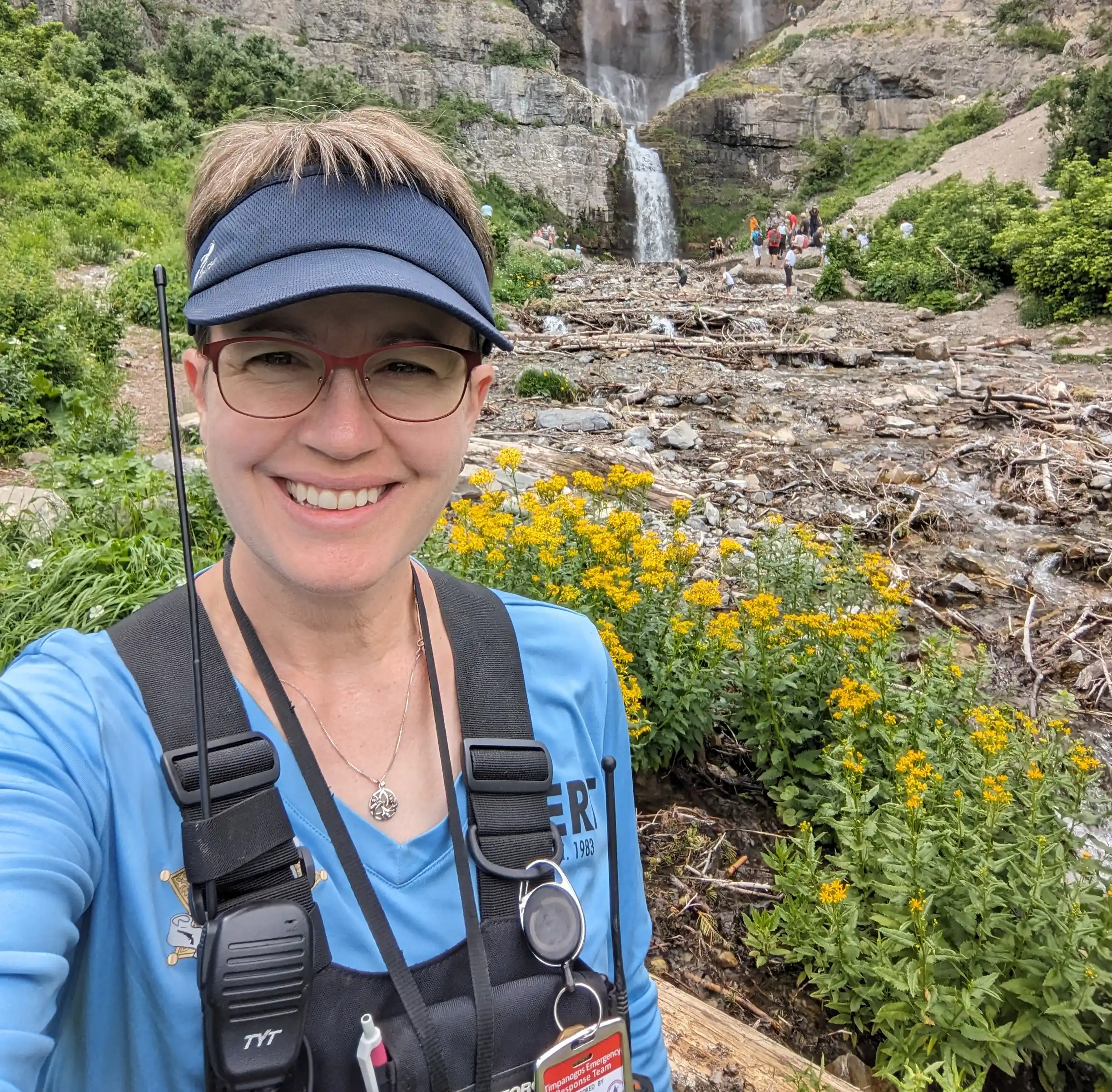
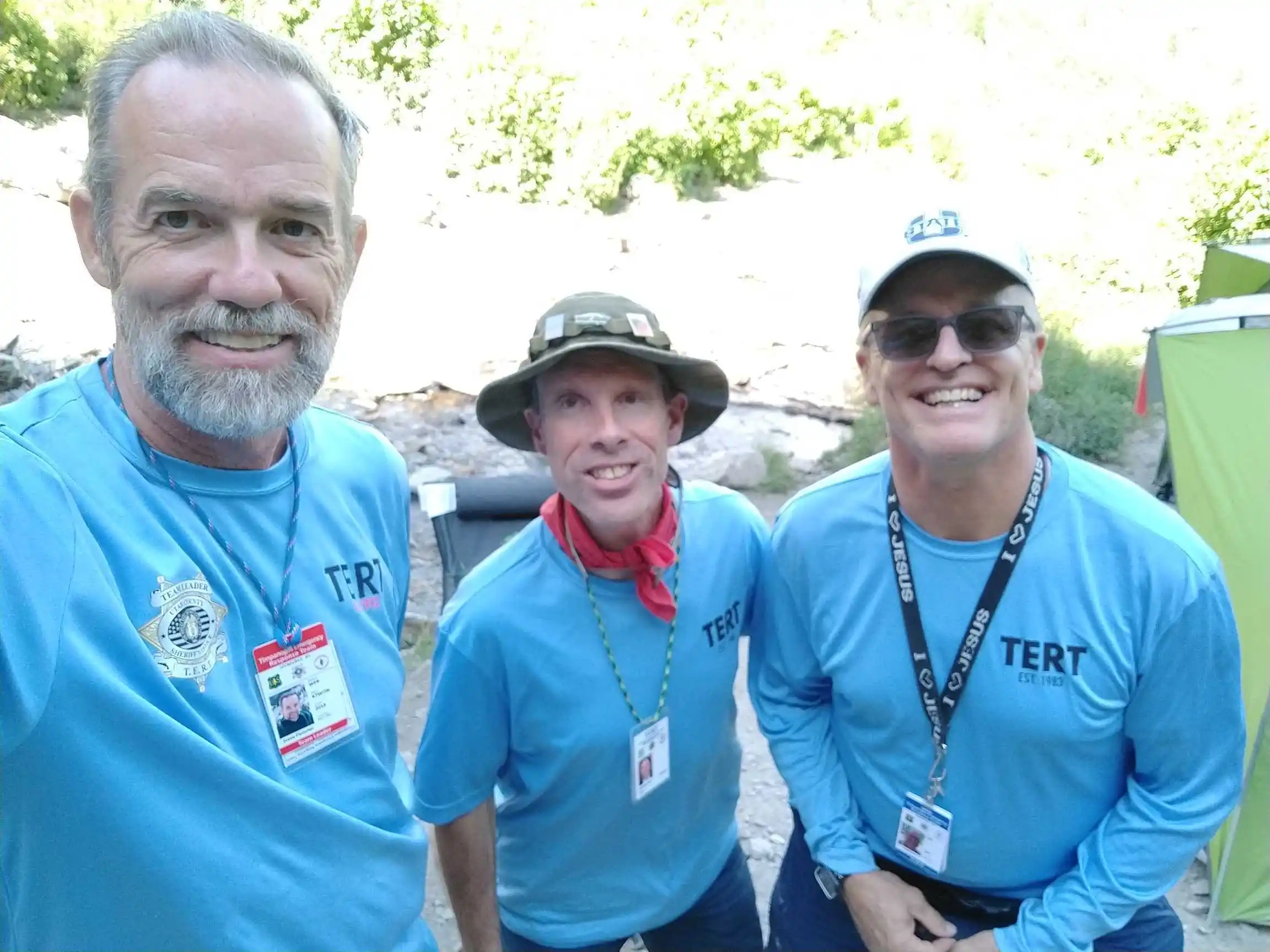
hikers pass through Stewart Falls on a typical Saturday. Many of them need directions, water, or a little first aid.
A Stewart Falls shift is a single day, so it's easy to fit into a busy schedule.
-
8:00 AM
Gear up at the Aspen Grove shack
Meet your teammate at the TERT shack north of the Aspen Grove parking lot and pick up the team gear: the medical pack, water filter, shade shelter, chairs, and radios.
-
Morning
Hike to the falls
Take Trail #56 to the falls. The trail climbs first, then drops down to the water.
-
On arrival
Set up base camp
Cross the river and set up the shade shelter in a spot that gives patients relief from the sun. Hang the First Aid sign where hikers can see it.
-
All day
On duty at the falls
Watch for hikers who need help, treat injuries, filter water, give directions, and keep a rough count of visitors for the Forest Service. You'll stay in radio contact with the High Camp Team Leader.
-
4:00 – 4:30 PM
Pack up & hike out
Take down camp and hike back out, checking on struggling hikers along the way. The hike out is often when you'll find someone who needs help.
-
About 5:00 PM*
Wrap up at the shack
Clean the water filter, restock any medical supplies you used, and give the weekend's Team Leader a short summary of your day.
* End times are approximate. If you're helping with an incident, your shift may run later until it's resolved or handed off to Search and Rescue.
Most of the day is simple first aid and helping hikers, but you need to be ready for more.
Stinging nettle
The number one complaint on this trail. It grows thick near the falls, and you'll learn to spot it and treat it.
Blisters & scrapes
Skinned knees, blisters, and small cuts make up much of the first aid you'll give.
Thirsty hikers
Once you start filtering water for one hiker, expect a line. You can also hand out electrolytes to tired hikers before they head back.
Lost or confused hikers
Many hikers arrive from Sundance by the ski lift or the river trail and aren't sure how to get back. You'll help them find the right route.
Falls on the rocks
Hikers often scramble down the steep rock face beside the trail instead of using the path. It's where the most serious injuries happen.
Cold & wet
Mist from the falls and afternoon shade can chill hikers quickly, especially anyone who slips into the water.
Who's on the team
- There are at least two people on the team: at least one medical member and one communications member.
- Medical position will assume the lead on medical responses. The other team members will support as needed.
- The radio position at Stewart Falls requires a ham radio license. The team carries both a ham radio and a Sheriff's Office radio, and checks in with the High Camp Team Leader.
- The third position is categorized as a general team member, and does not require a ham radio (every team member has to have BFA certification).
Physical demands
- ~4 miles round trip with ~680 feet of elevation change.
- The trail climbs, then drops to the falls, so the hike out starts uphill.
- You'll carry the 10 lb medical pack plus chairs, the shade shelter, and your own food and water.
Early season note: Depending on snowpack, there may still be snow at the falls or heavy mist from high water. Some days the team has to set up on the steeper north side with less room.
The team provides
- Medical packStocked with first aid and trauma supplies, including items chosen for falls and cold-water injuries.
- Water filterA hand-pump filter for filtering water for hikers.
- Pop-up shade shelter & two chairs
- Ham and Sheriff's Office radios
- First Aid sign, trail map, and hiker counter
- Electrolyte packets for hikers
- A parking pass, emailed before your shift
You bring
- Water and food for a full 8-hour dayIt's advised that you carry at least a little extra, in case you're delayed helping a patient. There are no services or restrooms at the falls.
- A warm layer, even in JulyOnce the sun moves behind the ridge, the falls go into deep shade and it can drop 15–20°F, with constant mist.
- Your TERT shirt
- Good hiking shoes and sun protection
- Your ham radio, if you're the communications team member
Once you're accepted, you'll complete the Stewart Falls Operations course in the team portal before you can sign up for this station. It's built from video filmed on the trail and at the falls.
Logistics & preparation
Parking, personal gear, and checking out team equipment at the shack.
Trail & terrain
The routes hikers use, guiding lost hikers back to Sundance, and the trail's hazards.
On-site operations
Setting up base camp, treating stinging nettle, and supporting serious injuries.
Post-shift procedures
Reporting, restocking the medical pack, and cleaning the water filter.
New members also attend both spring training days.
Can I serve only at Stewart Falls?
Yes. Three single-day assignments meet the first-season requirement, and Stewart Falls is a single-day station. It's a great fit if you can't do overnights.
Do I need medical training to serve here?
Every member needs current CPR and Basic First Aid. If you volunteer for the medical role, you will be the lead responder to medical issues. The other team member(s) will provide support as needed.
What happens if someone is seriously hurt?
You'll stabilize the patient and coordinate by radio. The Sheriff's Office manages evacuations, and Search and Rescue or the fire department respond when a hiker can't walk out. Your training covers exactly how this works at the falls.
What if it's cold or rainy?
Bring layers or rain gear. Even on a hot day, the falls get cold once they're in shade. If the forecast looks wet, the team can bring a pop-up shelter from the shack.